
Quiz: Test Your Knowledge on Japanese Head Spas (10 Points)
Let’s see how much you remember about the ultimate rejuvenation experience! Test yourself below. Keep track of your score mentally: each correct answer is worth 1 point. (Maximum score: 10 points).
(Need a refresher? Read the full article: Bliss For Your Roots: The Surprising Wellness Benefits of a Japanese Head Spa)
The 10-Point Head Spa Quiz
1. Where did the modern head spa concept originate before spreading globally?
- A) United States
- B) Japan
- C) France
Reveal Answer
B) Japan. Rooted in centuries-old practices, the modern version gained popularity in Japanese salons in the 1990s.
2. In what decade did head spas start gaining major popularity in Japanese salons?
- A) The 1970s
- B) The 1990s
- C) The 2010s
Reveal Answer
B) The 1990s.
3. How long does a typical head spa session usually last?
- A) 15 to 30 minutes
- B) 60 to 90 minutes
- C) 120 to 150 minutes
Reveal Answer
B) 60 to 90 minutes. It’s an extended period of dedicated cranial and facial relaxation.
4. What is usually the very first step in a head spa session before the washing begins?
- A) A close-up microscopic inspection of the scalp
- B) A deep-tissue shoulder massage
- C) Application of hair dye
Reveal Answer
A) A close-up microscopic inspection of the scalp.
5. According to experts, what is considered the “core part” of the head spa experience?
- A) The steam therapy
- B) Getting your hair washed
- C) The aromatherapy
Reveal Answer
B) Getting your hair washed.
6. Besides the head, which other areas are typically massaged during the service?
- A) Arms and hands
- B) Face, neck, and shoulders
- C) Lower back and legs
Reveal Answer
B) Face, neck, and shoulders. This makes it especially beneficial for people who carry tension from desk work.
7. True or False: Head spas are a medically proven cure for alopecia and severe hair loss.
- A) True, they are a proven medical cure
- B) False, you should see a doctor for medical conditions
- C) True, but only if essential oils are used
Reveal Answer
B) False. While excellent for stress relief, dermatologists emphasize consulting a medical professional for genuine hair loss.
8. What kind of medical professional should you see if you are experiencing genuine hair loss?
- A) A physical therapist
- B) A dermatologist
- C) An acupuncturist
Reveal Answer
B) A dermatologist.
9. A head spa session often includes which of the following?
- A) Essential oils, steam therapy, and conditioning masks
- B) Laser hair removal and chemical peels
- C) Botox injections
Reveal Answer
A) Essential oils, steam therapy, and conditioning masks.
10. What specific device is sometimes used to deliver soothing warm water over the scalp during the treatment?
- A) A hydro-blaster
- B) A halo waterfall device
- C) A steam cannon
Reveal Answer
B) A halo waterfall device.
How did you score?
Add up your total correct answers (1 point each)!
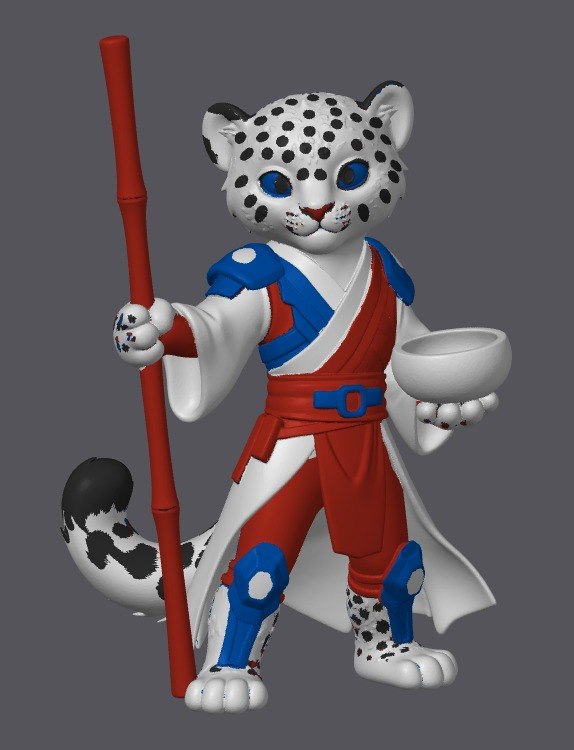
10 / 10 Points: Perfect! LeoChi is proud of your wellness wisdom.
Less than 6 Points? Looks like you missed a few! To get the full picture (and a perfect score next time), LeoChi suggests you head back and read the original article here.