
In 2026, the definition of “wellness” has fundamentally shifted. We’ve moved past the era of aesthetic-driven fitness and entered the age of human performance and longevity. Leading this charge is Lululemon, a brand that has successfully transitioned from a yoga-wear giant to a holistic health ecosystem.
As we navigate this year, Lululemon’s strategy reveals a clear focus: it’s no longer just about how we look in our leggings—it’s about how long and how well we can move in them.
From “Sweat” to “Stability”: The Longevity Pivot
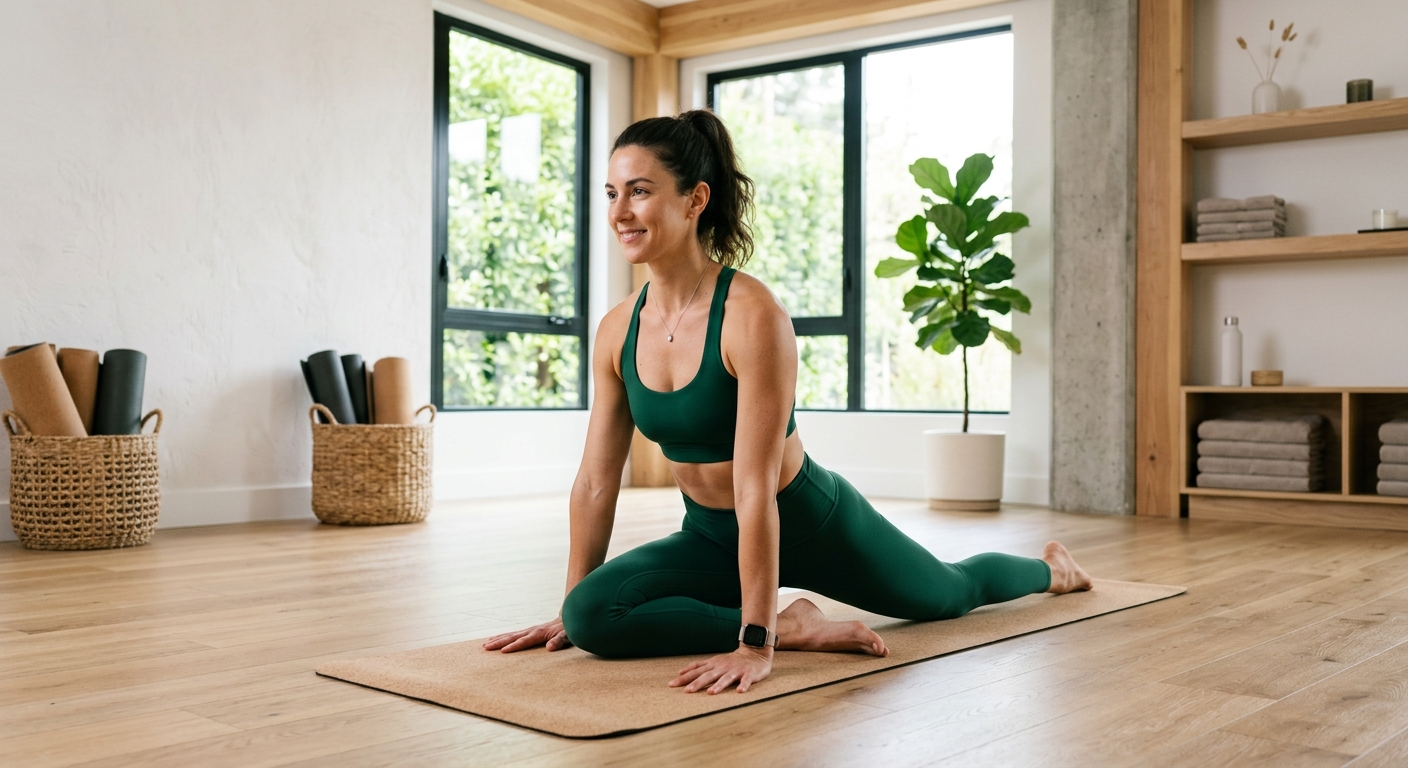
For years, the industry focused on high-intensity “burnout” culture. In 2026, Lululemon is championing a more restorative approach through initiatives like Studio Yet. This concept, recently highlighted in Los Angeles, focuses on the “KR Method”—a blend of strength, conditioning, and, most importantly, mobility.
The brand’s new philosophy is simple: Mobility is not flexibility. It’s about having a body that moves the way it was designed to, without restriction or pain. By emphasizing fundamentals over “impressive” spikes in effort, Lululemon is helping its community build habits that compound over time, directly impacting long-term healthspan.
Investing in the “Social Pill”
One of the most significant breakthroughs in longevity science recently has been the data on social connection. Loneliness is now recognized as a primary factor in shortened life expectancy.
In response, the 2026 Community Wellbeing Cohort was launched. Lululemon is currently funding 80 organizations across 17 global markets to tackle:
- Equitable Access: Making mindfulness and movement accessible to underserved regions.
- Mental Health Resilience: Using running and yoga as tools for psychological stability.
- Community Connection: Fostering “social health” to combat the isolation epidemic.
The Science of Feel vs. The Science of Safety
Lululemon’s “Science of Feel” has always been its North Star, but 2026 has brought new challenges regarding what’s inside the fabric.
Following recent inquiries into “forever chemicals,” the brand has been vocal about its PFAS-free commitment. As of April 2026, Lululemon has reinforced that it does not use PFAS in its current product lines, focusing instead on chemical engineering that balances water resistance with human safety. In a longevity-obsessed market, “clean” apparel is no longer a luxury—it’s a requirement for a brand promising a better life.
The 2026 Trends: Women’s Healthspan
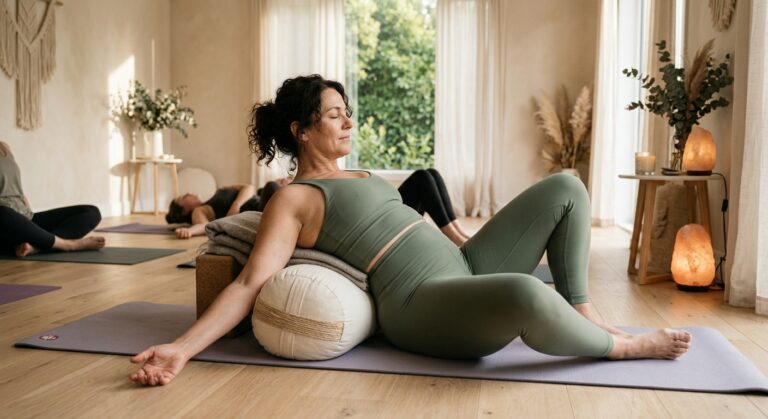
This year, the Global Wellness Summit noted a massive pivot toward Women’s Longevity, and Lululemon is at the forefront. The brand is moving beyond just “managing symptoms” of aging and is instead focusing on interventions tailored to women at every life stage—from bone density support to hormonal health.
By creating judgment-free spaces and products designed for the specific physiological needs of aging women, they are redefining “anti-aging” as pro-vitality.
The Bottom Line
Lululemon’s 2026 roadmap isn’t just about selling clothes; it’s about selling a longer, more vibrant life. Through a combination of social impact, mobility-focused training, and material transparency, they are proving that the best way to predict the future of wellness is to build a body—and a community—that can reach it.
Are you training for the short term, or for the long haul? Join the movement at your local Lululemon hub and experience the shift from “fitness” to “longevity” firsthand.