
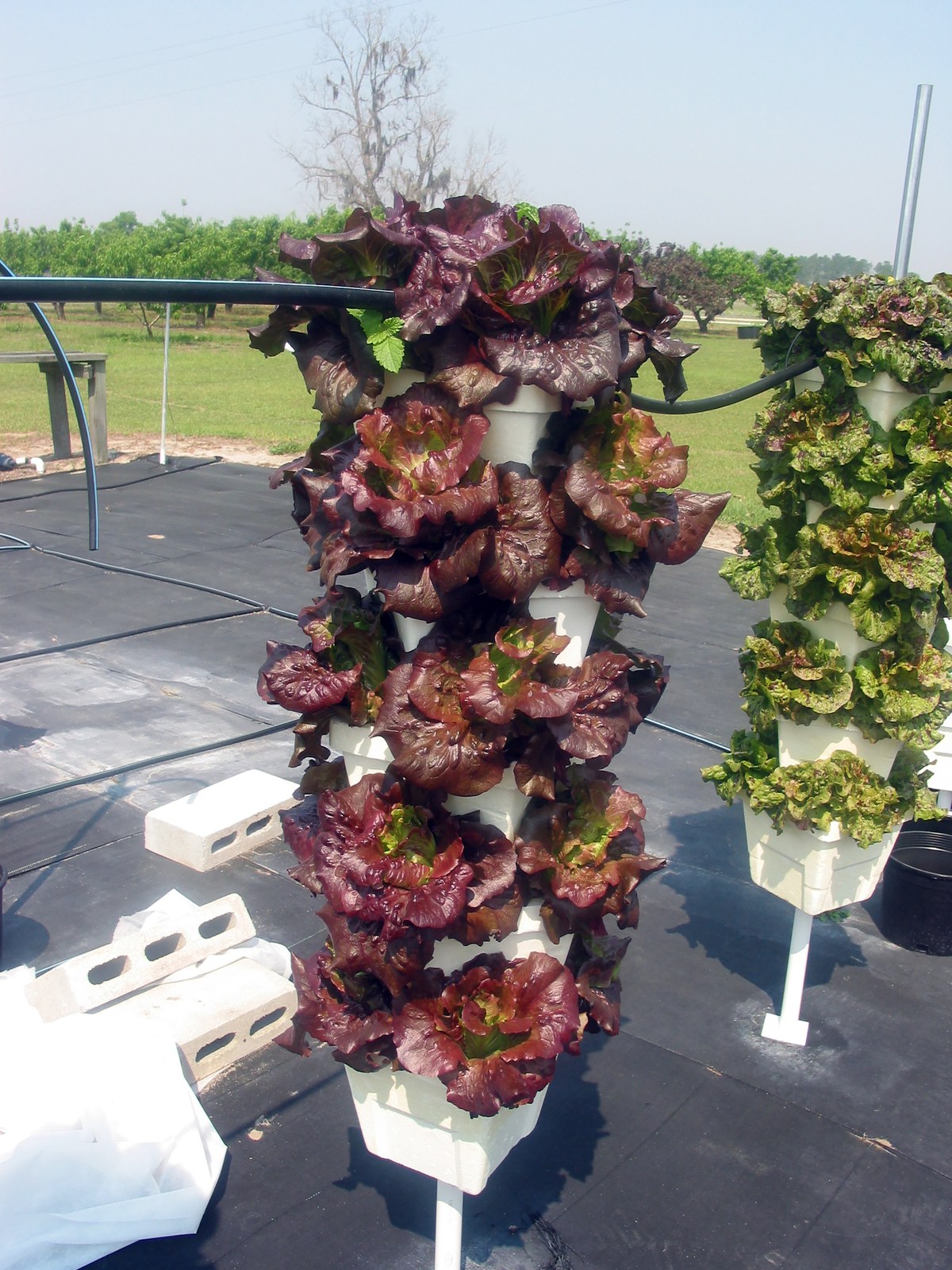
Photograph by Battledp on Wikimedia Commons (CC BY SA 4.0): Vertical hydroponic cultivation towers illustrating the open source bioregenerative infrastructure that powers decentralized ecological habitats.
Whether we are designing a sustainable eco community in Redwood City, an off grid retreat in the high Himalayas, or a permanent crewed station at the lunar South Pole, humanity faces a critical economic fork in the road. For generations, physical infrastructure has been dominated by centralized monopolies, proprietary patents, and extractive corporate accounting.
When life support, energy, clean water, and agricultural blueprints are locked behind secretive corporate paywalls, habitats become fragile. A broken valve or a proprietary software update can halt food production or compromise air quality. More fundamentally, conventional economies treat clean air, thriving soil, and human mental health as unmeasured externalities: vital living assets that produce immense human flourishing but are completely ignored by traditional balance sheets.
To solve this challenge, the OmOrenda framework introduces an innovative economic and technological synthesis: Decentralized Stewardship. By combining open source hardware and biological blueprints with blockchain enabled value creation and sharing, communities can turn ecological regeneration into transparent, distributed wealth.
Part 1: Turning Regeneration into Shared Value on Chain
How do we assign measurable value to things that truly matter: clean oxygen, fertile soil microbiology, deep sleep, and autonomic nervous system recovery: without letting outside financial speculators exploit the system?
The answer lies in pairing three everyday verification technologies with transparent blockchain smart contracts:
- Ambient Internet of Things (IoT) Sensors: Compact, low power environmental monitors that measure air purity, carbon dioxide absorption, water flow, and temperature continuously without requiring constant human oversight.
- Plant Bio Electric Digital Twins: A digital twin is a computer simulation that mirrors a physical living organism in real time. By reading the subtle bio electrical micro currents generated by plant leaves, roots, and mycorrhizal fungal networks, the computer detects whether the indoor vertical farm is thriving, thirsty, or under light stress, functioning as an authentic digital heartbeat for the ecosystem.
- Consented Wearable Telemetry: Anonymized biometric readings gathered with user consent from smart rings, sleep bands, or EEG sensors. By tracking metrics such as Heart Rate Variability (HRV), resting heart rate, and slow wave deep sleep stages, researchers can empirically prove that living in a biophilic sanctuary calms the sympathetic fight or flight response and fosters genuine autonomic renewal.
1. Open Source Schematics
Publicly shared hardware designs, bills of materials, and sensor firmware enabling any community or space analog to build resilient habitats.
2. Verifiable Telemetry
Ambient IoT sensors, plant digital twins, and consented biometric rings proving real world gains in air purity, crop yields, and nervous system calm.
3. Programmable Smart Contracts
Automated digital agreements routing yield tokens to local stewards and sharing licensing royalties across planetary sister nodes.
4. Sacred Reciprocity
Grounded in Indigenous Clan Mother ethics and the quiet awareness of Om, replacing extractive monopolies with circular flourishing.
Programmable Smart Contracts: Fair Value Distribution Without Middlemen
A smart contract is a computer program stored on an open blockchain that runs automatically when predetermined conditions are met. Rather than relying on banks, corporate accountants, or bureaucratic intermediaries, smart contracts translate real world ecological telemetry into programmatic value:
- Proof of Regeneration and Yield Sharing: When vertical gardens or indoor closed loop farms achieve verifiable milestones: such as harvesting crisp organic greens, sequestering carbon, or recycling compost: the smart contract automatically mints impact and yield tokens. Crucially, these tokens are routed directly to the gardeners, hosts, and caretakers who do the daily physical work of sustaining the living system.
- Cross Node Reciprocity (From Silicon Valley to Nepal): When guests, longevity researchers, or ethical AI developers book a residency at Node 1 in California or license longitudinal telemetry, automated revenue routing contracts immediately share a designated percentage of proceeds with sister nodes in Nepal and local biodiversity initiatives. Wealth created in one corner of the planet directly nourishes distant communities, embodying authentic planetary solidarity.
- Decentralized Science (DeSci) and Sovereign Telemetry: In conventional medical and environmental research, valuable human health datasets are locked inside proprietary corporate databases or sold to advertising conglomerates. Through Decentralized Science (DeSci), anonymized telemetry is published to decentralized, encrypted data networks. Space agencies like NASA, longevity institutes, and university researchers can license verified, high integrity datasets for lunar habitat design or circadian medicine, while licensing royalties are streamed automatically back to the original sanctuary caretakers.
Part 2: Decentralizing the Habitat Through Open Source Commons
True resilience on Earth or on the moon cannot depend on a single proprietary supplier. Consider an off world lunar base: if an environmental control unit fails, astronauts cannot wait eight months for an Earth corporation to ship an expensive replacement part. They require open, standardized blueprints they can 3D print, assemble, and repair on site.
Rather than operating as a closed commercial franchise, OmOrenda is architected as a federated, open source reference commons:
- Open Hardware and Bioregenerative Schematics: Complete Bills of Materials (BOMs: the exact itemized list of nuts, bolts, pumps, and sensors), microcontroller firmware, vertical hydroponic configurations, and rock bio weathering blueprints are published openly under permissive licenses. Any university space analog, indigenous community farm, or eco village can download, build, and modify the system freely.
- Standardized OpenTelemetry and Digital Twin APIs: Open data standards allow independent habitats across the globe to run local plant digital twins and AI wellness assistants while remaining completely interoperable. If a research team in Japan discovers an optimal lighting spectrum that increases strawberry nutrient density by twenty percent, an analog lunar habitat in Arizona or a community greenhouse in Nepal can immediately apply that insight.
- Open Salutogenic and Contemplative Protocols: Guided Yoga Nidra scripts, restorative Non Sleep Deep Rest (NSDR) audio practices, and circadian daylighting schedules are maintained as an open commons. Psychological resilience, autonomic rest, and spiritual peace are treated as fundamental human rights, never as proprietary luxury commodities.
Any sanctuary, university research laboratory, or off world station that adopts these open specifications and meets verifiable ecological and wellness criteria can join the network as an autonomous federated node. Rather than answering to top down corporate executives, federated nodes govern shared research grants, technological improvements, and protocol upgrades democratically.
The OmOrenda Perspective: Sacred Kinship and Ancient Economics
While the vocabulary of blockchains, digital twins, and open source code sounds ultra modern, the philosophical heart of this model is deeply rooted in ancient contemplative and Indigenous wisdom:
The Stillness of Om (The Unconditioned Commons)
In Eastern contemplative philosophy, Om represents the unconditioned ground of reality: the primordial stillness from which all life arises. In that stillness, the illusion of separateness dissolves. When we recognize that air, water, soil, and consciousness are shared gifts of existence, the impulse to hoard, monopolize, and exploit naturally falls away. Open source technology is the modern digital reflection of Om: offering knowledge freely for the benefit of all living beings.
The Active Agency of Orenda (Clan Mothers and Sacred Reciprocity)
In Haudenosaunee cosmology, Orenda is the active spiritual energy that connects every creature to the web of life. Indigenous Clan Mothers governed communities through the seventh generation principle, ensuring that no action taken today would impoverish the grandchildren of tomorrow. Economic wealth was measured not by how much an individual accumulated, but by how generously resources circulated.
By marrying the ancient ethical reciprocity of Orenda with transparent smart contracts and open source blueprints, we replace the extractive economics of the past with a regenerative economic engine: creating thriving sanctuaries of health, peace, and abundance on Earth, and carrying the highest ideals of human kinship into the stars.
References and Further Reading
- National Aeronautics and Space Administration (NASA), Open Source Science Initiative (OSSI), Science Mission Directorate.
- Cloud Native Computing Foundation (CNCF), OpenTelemetry Specification for Distributed Sensor and System Observability.
- Decentralized Science (DeSci) and Regenerative Finance (ReFi) Working Groups, Open Protocols for Verifiable Ecological Telemetry and Programmable Commons.
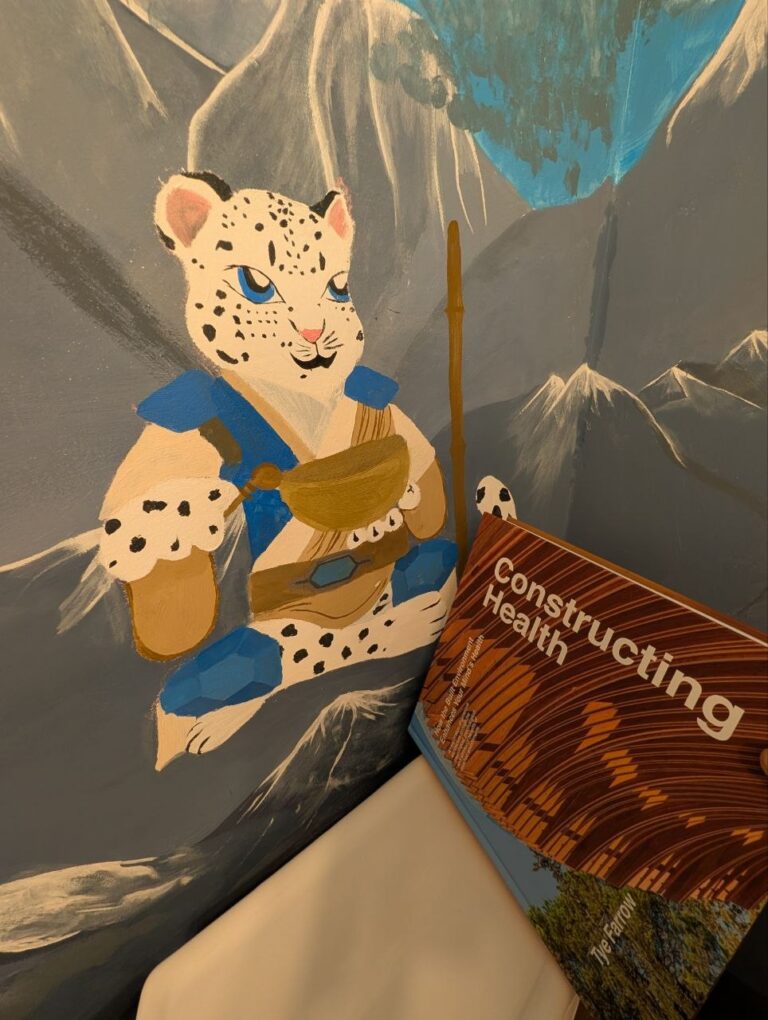
- Tye Farrow, Constructing Health: How the Built Environment Enhances Your Mind’s Health, University of Toronto Press.
- Elinor Ostrom, Governing the Commons: The Evolution of Institutions for Collective Action, Cambridge University Press.