

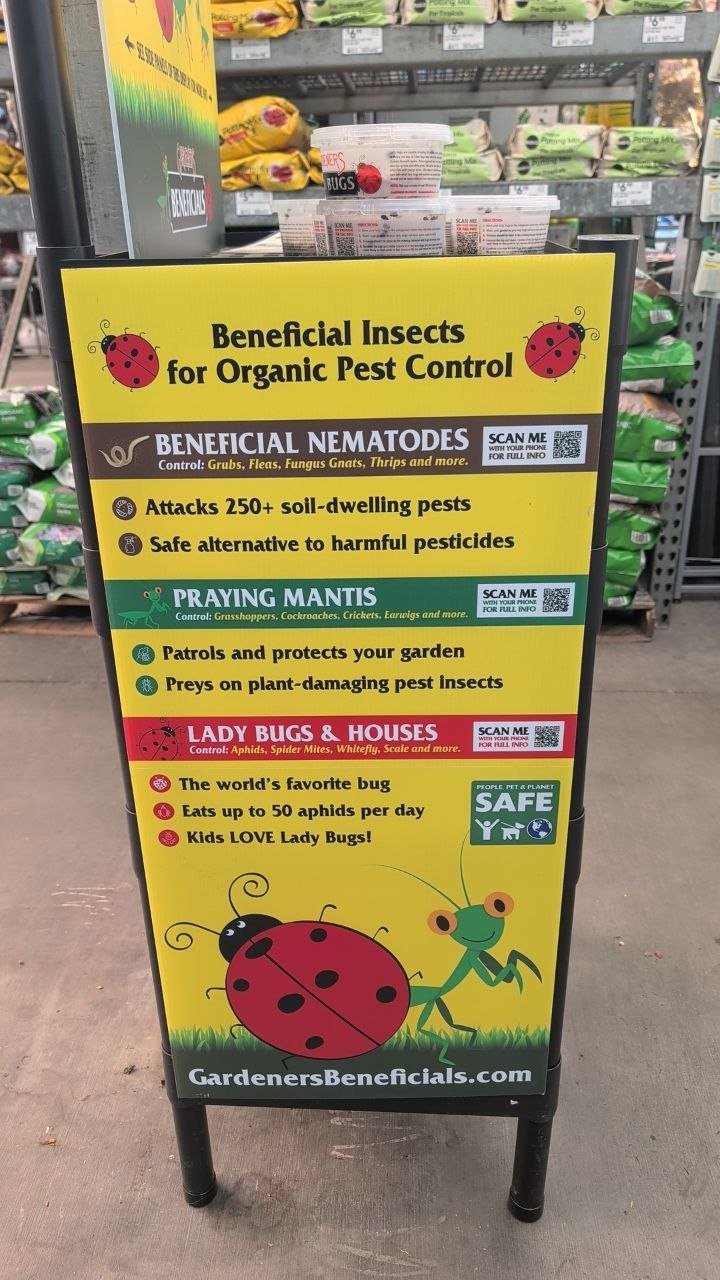
Beneficial insects display for natural, non toxic pest control: live biological guardians providing an organic alternative to chemical pesticides.
For decades, conventional agriculture and domestic landscaping operated under a scorched earth philosophy. Whenever aphids infested a rosebush or root grubs damaged a lawn, the standard response was immediate chemical warfare: spraying synthetic organophosphates, neonicotinoids, and broad spectrum insecticides. While these poisons temporarily killed targeted pests, they also decimated essential pollinators, poisoned delicate soil mycorrhizae, contaminated groundwater, and posed chronic health risks to household pets and children.
A transformative biological shift is now sweeping neighborhood nurseries and home sanctuaries. As demonstrated by the innovative educational displays from GardenersBeneficials.com, gardeners are turning away from toxic synthetic poisons and embracing beneficial insects for organic pest control. By enlisting nature’s evolutionary guardians, we restore ecological harmony to our soil and plants while honoring the salutogenic health of our living environments.
The Tripartite Biological Shield: Roots, Canopies, and Blooms
Pest pressures occur across every biological layer of a garden. Effective organic management does not rely on a single blunt tool; it deploys specialized, living allies adapted to each ecological zone:
1. The Root and Soil Stratum
Beneficial Nematodes
Microscopic roundworms patrol subterranean soil channels, seeking out grubs, flea larvae, fungus gnats, and over 250 soil dwelling pests without disturbing plant roots.
2. The Canopy and Foliage Stratum
Praying Mantises
Patient, camouflage ambush predators that patrol garden shrubs and branches, naturally regulating grasshoppers, crickets, beetles, and invasive leaf chewers.
3. The Stem and Blossom Stratum
Ladybugs and Houses
Voracious predators of soft bodied garden pests, consuming up to 50 aphids daily alongside destructive spider mites, whiteflies, and scale.
1. Beneficial Nematodes (The Soil Guardians)
Many of the most devastating garden infestations begin out of sight, beneath the soil surface. Japanese beetle grubs chew through delicate roots, fungus gnat larvae damage tender seedlings, and flea larvae pupate in garden beds. Beneficial nematodes are microscopic, non segmented roundworms (such as Heterorhabditis and Steinernema species) that naturally occur in healthy undisturbed soils.
- Targeting Over 250 Soil Pests: Nematodes actively navigate through microscopic soil moisture films, seeking out pests via chemical cues. Upon encountering a grub or larva, they enter the pest and release symbiotic bacteria, neutralizing the insect within forty eight hours.
- Completely Safe for Living Systems: Unlike synthetic chemical dusts, beneficial nematodes are harmless to earthworms, ladybugs, birds, domestic pets, and humans. Once established, they reproduce naturally, building an enduring subterranean biological defense.
2. Praying Mantises (The Vigilant Canopy Sentinels)
While nematodes defend the roots, the praying mantis commands the middle and upper canopies of garden shrubs, perennial borders, and fruit trees. Renowned for their extraordinary patience and three hundred sixty degree head rotation, mantises are master camouflage hunters.
- Natural Canopy Equilibrium: Mantises feed on larger invasive garden chewers, including destructive grasshoppers, crickets, earwigs, and caterpillars.
- Chemical Free Garden Patrol: Hatching from protective egg cases (oothecae) in late spring, young mantises disperse throughout foliage, patrolling garden beds all summer without requiring a single drop of pesticide.
3. Ladybugs (The Stem and Foliage Cleansers)
Few garden sightings bring as much joy as the spotted red shell of a ladybug. Yet beneath their endearing appearance lies one of the most efficient apex predators of microscopic garden sap suckers.
- Relentless Pest Consumption: A single adult ladybug (Hippodamia convergens) can consume up to fifty aphids per day, devouring thousands over its lifetime. Both adult beetles and their alligator like larvae voraciously hunt aphids, spider mites, thrips, whiteflies, and scale.
- Safe for People, Pets, and Planet: Ladybugs eliminate the need for toxic systemic sprays on edible kitchen gardens, making backyard harvesting completely safe for children and families.
The OmOrenda Perspective: Salutogenic Gardening and Sacred Kinship
The transition toward biological pest control reflects the core tenets of the OmOrenda movement, connecting ancient spiritual stewardship with modern ecological sciences:
The Stillness of Om (Cooperating with Nature’s Rhythms)
In Eastern contemplative philosophy, Om represents the fundamental harmony and interconnectedness of all life. Chemical pesticides are born from an attitude of impatience and domination: an attempt to violently eradicate friction through toxic force. Choosing beneficial insects is an act of stepping into the stillness of Om. It requires trusting that nature already possesses the checks, balances, and feedback loops necessary to sustain health. We surrender the urge to conquer and instead harmonize with natural biological order.
The Active Healing Force of Orenda (Reciprocal Stewardship)
In Indigenous Haudenosaunee wisdom, Orenda is the spiritual life energy that flows through all creation, empowering humans to act as conscious caretakers. Clan Mothers taught that true leadership protects the vitality of the soil, water, and air for the next seven generations. Chemical pesticides poison this sacred inheritance, killing essential soil microbiomes and harming bees. By introducing beneficial nematodes and ladybugs, we practice reciprocal stewardship: nourishing the soil and welcoming living allies to safeguard our food and flowers.
Microcosm of Planetary Health
Just as salutogenic architecture (such as the Chhauni Tree House sanctuary in Nepal) designs physical spaces that actively cultivate human wellbeing, a garden free of synthetic poisons creates a sanctuary for wildlife. A garden teeming with ladybugs, earthworms, and mantises is not merely pest free; it is an active refuge of biodiversity, joy, and vitality.
Best Practices for Releasing Beneficial Insects
To ensure your living garden guardians establish thriving populations, follow these practical field recommendations:
- Release in the Evening: Release ladybugs at dusk or early in the morning when ambient temperatures are cool. Releasing in midday heat encourages them to fly away immediately.
- Moisten the Garden: Lightly mist garden foliage with water prior to releasing ladybugs. After transport, beneficial insects are thirsty and will linger to drink.
- Ensure Adequate Pest Density: Release beneficials when you first notice small pest populations. This provides immediate nourishment, anchoring them in your garden beds.
- Soil Moisture for Nematodes: When applying beneficial nematodes to lawns or vegetable beds, irrigate the soil thoroughly before and after application to ensure they can swim down into the root zone.
- Install a Bug House: Provide small wooden insect hotels and nectar producing companion flowers (such as dill, fennel, and marigolds) to give ladybugs and lacewings permanent shelter.
References and Further Exploration
- Gardeners Brand, Beneficial Garden Insects for Natural Pest Control, Retail Education and Resource Portal.
- University of California Agriculture and Natural Resources, Integrated Pest Management (IPM): Biological Control of Garden Pests.
- Xerces Society for Invertebrate Conservation, Farming and Gardening with Beneficial Insects.