

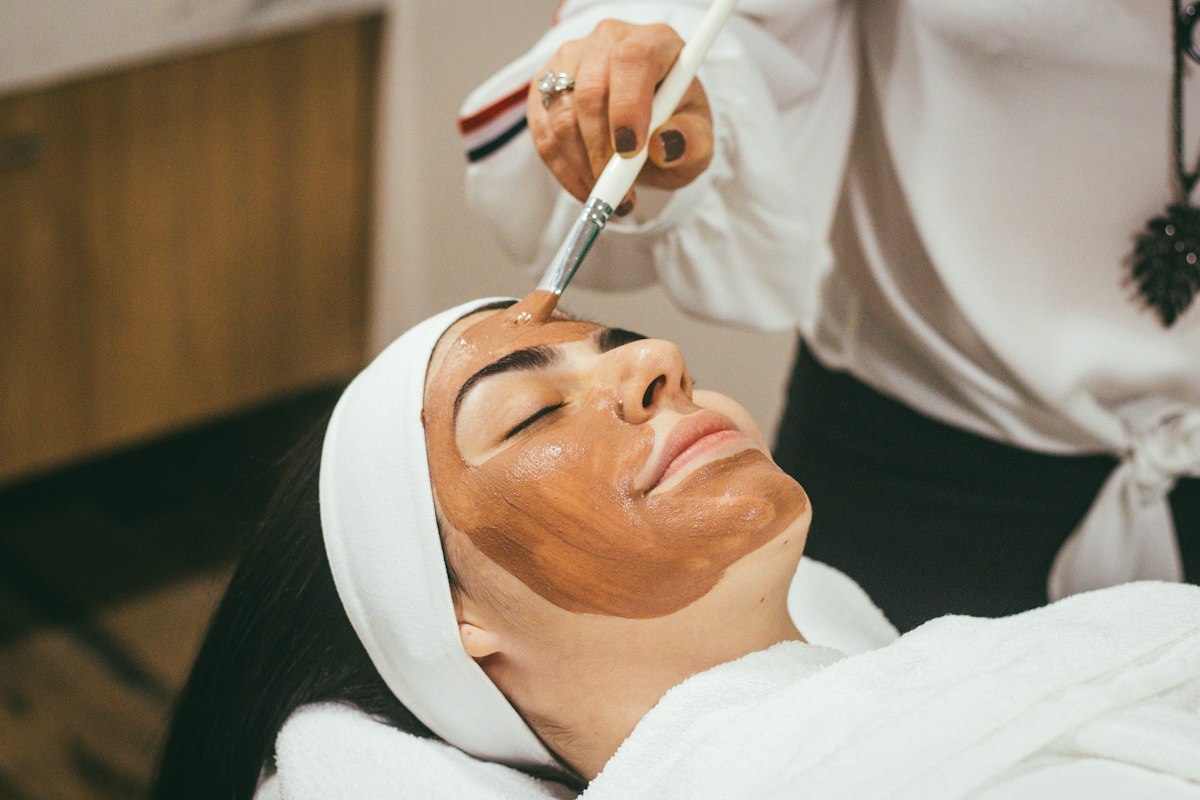
Photo by Sarah Comeau on Unsplash (Open Source Stock)
When women in their 40s and 50s notice sudden skin changes—such as rapid dehydration, sudden loss of firmness, thinning, or unexplained adult breakouts—they almost universally blame one culprit: “I’m just getting older.”
According to a major global study of over 5,000 women conducted by dermatology leader Galderma and reported by FiercePharma, more than 50% of women mistake menopause-related skin changes for general chronological aging, with fewer than one-third recognizing the direct link between skin decline and hormonal fluctuations.
Galderma terms this gap “The Menopausal Skin Misread.” By treating hormonal skin changes as inevitable wear-and-tear, millions of women miss the targeted window for regenerative, endocrinological, and dermatological interventions.
Here is what the peer-reviewed medical literature reveals about what actually happens to the skin during perimenopause and menopause—and how modern clinical science is rewriting the future of dermal longevity.
1. The 30% Collagen Cliff: What the Peer-Reviewed Science Shows
The skin is one of the primary target organs for estrogen in the human body. Dermal fibroblasts are packed with Estrogen Receptor-beta (ERβ) and Estrogen Receptor-alpha (ERα), which regulate the transcription of Type I and Type III collagen, elastin, and glycosaminoglycans.
The Hallmark Brincat Study:
In groundbreaking peer-reviewed research led by Dr. Mark Brincat published in Obstetrics & Gynecology and Maturitas, researchers demonstrated that up to 30% of dermal collagen is lost within the first five years following menopause.
After this initial five-year drop, dermal collagen continues to decline at a rate of approximately 2.1% per post-menopausal year. This sudden loss explains why fine lines and skin laxity often seem to appear overnight rather than gradually.
2. Transepidermal Water Loss and the Glycosaminoglycan Collapse
In addition to collagen loss, estrogen withdrawal alters the skin’s moisture retention machinery:
- Hyaluronic Acid & GAG Depletion: Estrogen directly stimulates the synthesis of acid mucopolysaccharides and hyaluronic acid in the extracellular matrix. As estradiol plunges, the dermis loses its water-binding capacity, leading to deep structural dehydration.
- Impaired Lipid Barrier (TEWL): Estrogen regulates sebum production and epidermal ceramide synthesis. Declining hormones lead to an elevated Transepidermal Water Loss (TEWL), leaving the skin barrier compromised, reactive, and prone to eczema or rosacea flares (Raine-Fenning et al., American Journal of Clinical Dermatology).
- Upregulation of Matrix Metalloproteinases (MMPs): With estrogen’s protective inhibition removed, inflammatory enzymes like collagenase (MMP-1) and gelatinase become hyperactive, actively chewing through existing structural collagen (Stevenson & Thornton, Dermato-Endocrinology).
3. Cutaneous Vascularity and Delayed Cellular Turnover
A paper published in The Lancet by Prof. Gillian Ashcroft and colleagues revealed that estrogen plays a pivotal role in skin microcirculation and wound healing:
- Estrogen promotes capillary blood flow in the dermal papillae, supplying oxygen, peptides, and micronutrients to the basal stem cell layer.
- In estrogen-depleted skin, epidermal cell renewal slows down dramatically—taking upwards of 45 to 60 days to regenerate compared to 28 days in younger adults. This causes dullness, hyperpigmentation, and persistent dryness.
4. The Dermal Matrix: Clinical Sequencing & Biostimulation
5. Moving Past the “Anti-Aging” Stigma
The campaign initiated by Galderma ahead of World Menopause Day (October 18) highlights a much larger cultural necessity: separating menopausal skin changes from generic anti-aging marketing.
When a woman understands that her skin’s changes are driven by a specific, manageable endocrinological shift rather than a mysterious personal failing, she can take proactive, informed control. From protecting the skin barrier and stimulating natural collagen to exploring bio-identical hormone therapies and restorative sleep, women can preserve glowing, resilient skin across their entire lifespan.
The Takeaway
Menopausal skin is not a sentence of inevitable decline—it is a distinct physiological chapter with its own unique cellular rules. By correcting the “Menopausal Skin Misread” and combining rigorous dermatological science with holistic lifestyle care, women can navigate midlife with vitality, radiance, and confidence.
References & Peer-Reviewed Literature
- Industry Campaign & Survey: FiercePharma — “Galderma sculpts new narrative around menopausal skin changes to fill awareness gap” (Perspectus Global survey of 5,090 women).
- Brincat, M., et al. (1987). Skin collagen changes in postmenopausal women receiving different regimens of estrogen therapy. Obstetrics & Gynecology, 70(1), 123-127.
- Brincat, M. P., Baron, Y. M., & Galea, R. (2005). Estrogens and the skin. Climacteric, 8(2), 110-123.
- Stevenson, S., & Thornton, J. (2007). Effect of estrogens on skin aging and the potential role of SERMs. Clinical Interventions in Aging, 2(3), 283–297.
- Raine-Fenning, N. J., et al. (2003). Skin aging and menopause: implications for treatment. American Journal of Clinical Dermatology, 4(6), 371-378.
- Ashcroft, G. S., et al. (1997). Estrogen accelerates cutaneous wound healing associated with an increase in TGF-beta levels. The Lancet / Nature Medicine.