

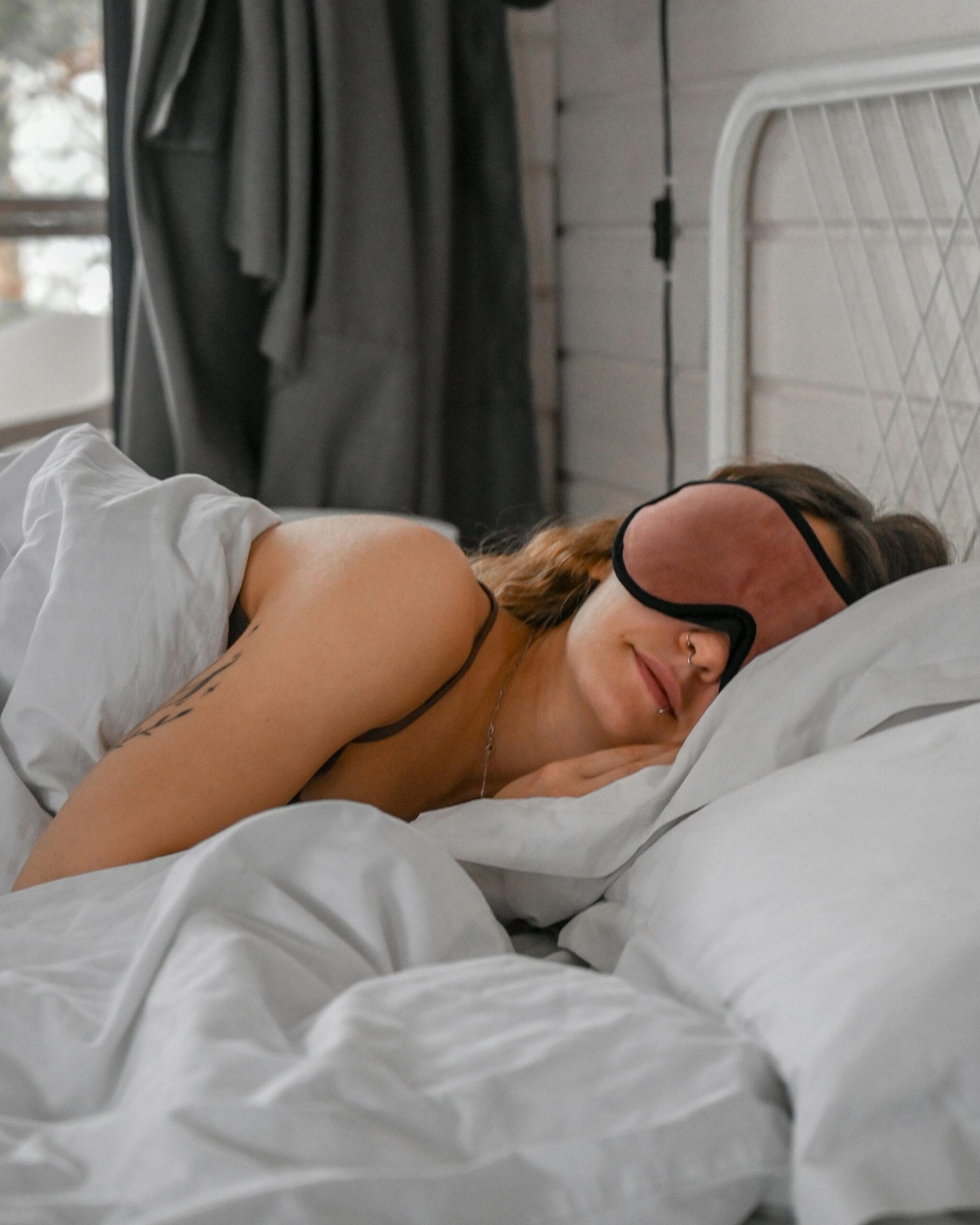
Sleep hygiene refers to both your sleep environment and daily behaviors that promote consistent, uninterrupted sleep. Good sleep hygiene is a cornerstone of sleep therapy and works alongside other approaches like circadian rhythm optimization Good sleep hygiene means having routines and an environment that set you up for quality rest every night. Research demonstrates that forming good sleep habits can significantly improve both sleep quality and quantity, making it one of the most accessible and effective approaches to better sleep. The five pillars of sleep hygiene are: consistent sleep schedule, proper sleep environment, pre-bed routine, healthy daily habits, and sleep-efficient behaviors.
In this guide, you’ll learn:
- The fundamentals of sleep hygiene and why it matters
- 15 evidence-based tips backed by sleep research
- How to create a personalized sleep hygiene routine
- Common sleep hygiene mistakes to avoid
- When to seek professional help for persistent issues
Key Takeaways
- Sleep hygiene encompasses both your sleep environment and daily behaviors-strong sleep hygiene means having routines and a bedroom that promote consistent, uninterrupted sleep
- Research from the British Journal of General Practice (2012) confirms that making health habits automatic through consistent routines creates lasting positive behavior change
- The most critical sleep hygiene factors include maintaining a consistent sleep schedule, optimizing your bedroom environment, and limiting caffeine and electronics before bed
- According to the CDC, 1 in 3 adults don’t get enough sleep-many could improve through better sleep hygiene alone
- Sleep hygiene alone may not cure underlying sleep disorders, but it creates the foundation upon which other treatments build
- Small, consistent changes beat dramatic overhauls-start with one or two adjustments and build from there
- Poor sleep hygiene can negatively impact both sleep quantity and quality, affecting every aspect of physical and mental health
Key Statistics
- 1 in 3 adults don’t get enough sleep (CDC)
- $411 billion is the annual cost of poor sleep to the U.S. economy (RAND Corporation)
- 50-70 million Americans have chronic sleep disorders
- 85% is the target sleep efficiency (time asleep vs. time in bed)
Introduction
Paying attention to sleep hygiene is one of the most straightforward ways to set yourself up for better sleep. Strong sleep hygiene means having both a bedroom environment and daily routines that promote consistent, uninterrupted sleep. Every sleeper can tailor their sleep hygiene practices to suit their needs.
Research has demonstrated that forming good habits is a central part of health. Crafting sustainable and beneficial routines makes healthy behaviors feel almost automatic, creating an ongoing process of positive reinforcement. On the flip side, bad habits can become ingrained even as they cause negative consequences.
The good news? Humans have an impressive ability to make our habits serve our long-term interests. Building an environment and set of routines that promote our goals can really pay off.
This guide provides 15 science-backed sleep hygiene tips organized into four categories: sleep schedule, nightly routine, daily habits, and bedroom optimization.
The Fundamentals of Sleep Hygiene
Why Sleep Hygiene Matters
Sleep hygiene encompasses both environment and habits, and it can pave the way for higher-quality sleep and better overall health. Improving sleep hygiene has little cost and virtually no risk, making it an important part of a public health strategy to counteract the serious problems of insufficient sleep and insomnia in America.
According to a comprehensive review published in Sleep Medicine Reviews (2015), sleep hygiene interventions show moderate improvements in sleep quality. While sleep hygiene alone won’t resolve severe sleep disorders, it addresses the most common contributors to poor sleep and creates optimal conditions for rest.
The Sleep Hygiene Foundation
Before diving into specific tips, understand these core principles:
- Consistency is Key: Your brain thrives on predictability. Regular sleep-wake times reinforce your circadian rhythm
- Build Sleep Pressure: Being awake long enough creates the drive for quality sleep
- Signal Sleep: Your environment and routines tell your brain when it’s time to rest
- Remove Barriers: Eliminate factors that interfere with sleep onset or maintenance
Part 1: Optimizing Your Sleep Schedule
Tip 1: Maintain a Consistent Wake-Up Time
Having a fixed wake-up time normalizes sleep as an essential part of your day and gets your brain and body accustomed to getting the full amount of sleep that you need.
Expert Insight: “Instead of chasing daily perfection, we benefit most by observing our long-term sleep patterns, prioritizing consistency and understanding our personal rhythms.”
- Dr. Martin Kawalski, MD, PhD, Stanford University
- Wake up at the same time every day, regardless of whether it’s a weekday or weekend
- A fluctuating schedule keeps you from getting into a rhythm of consistent sleep
- Even shifting your wake time by 30 minutes can disrupt your internal clock
Pro Tip: Place your alarm across the room so you must physically get up to turn it off. This prevents the temptation to hit snooze repeatedly.
Tip 2: Calculate Your Ideal Bedtime
Once your wake time is fixed, work backward:
Expert Insight: “Sleep duration isn’t ‘more is better.’ It’s a U-shaped curve. For most adults, the sweet spot sits around ~7.5 hours. Go too short or too long and risk goes up.”
- Dr. Martin Kawalski, MD, PhD, Stanford University
- For 7-8 hours of sleep plus 15-20 minutes to fall asleep, count back from your wake time
- Prioritize sleep-it might be tempting to skip sleep to work, study, or socialize, but treating sleep as a priority pays dividends
- If you want to shift your sleep times, don’t try to do it all at once-make small adjustments of up to an hour or two
Tip 3: Manage Naps Strategically
Naps can be a handy way to regain energy during the day, but they can throw off sleep at night:
- Keep naps relatively short (20-30 minutes) and limited to the early afternoon (before 3 PM)
- The “power nap” of 10-20 minutes can boost alertness without grogginess
- Longer naps (>60 minutes) can interfere with nighttime sleep
- If you must nap late in the day due to shift work, keep it consistent
Part 2: Your Nightly Routine
Tip 4: Create a 30-Minute Wind-Down Period
How you prepare for bed determines how easily you’ll fall asleep. A pre-sleep playbook including these elements can put you at ease:
- Follow the same steps each night-consistency reinforces in your mind that it’s bedtime
- Budget exactly 30 minutes for winding down
- Engage in relaxing activities: soft music, light stretching, reading, or relaxation exercises
This technique helps activate the parasympathetic nervous system, which is essential for transitioning from wakefulness to sleep. Combined with sleep meditation, these practices can significantly improve sleep quality
Tip 5: Dim Your Lights
Light is the most powerful regulator of your circadian rhythm:
- Try to keep away from bright lights in the evening hours
- Bright light, especially blue light, hinders melatonin production-a hormone your body creates to facilitate sleep
- Use dimmers, lamps with warm-colored bulbs, or candle light in the evening
- Consider blue light blocking glasses if you must use screens at night
Tip 6: Create an Electronics-Free Buffer
Build in a 30-60 minute pre-bed buffer time that is device-free:
- Cell phones, tablets, and laptops cause mental stimulation that’s hard to shut off
- They also generate blue light that decreases melatonin production
- If you must use devices, enable night mode or blue light filters
- Keep devices out of the bedroom if possible
Tip 7: Don’t Toss and Turn
It helps to have a healthy mental connection between being in bed and actually being asleep:
- If after 20 minutes you haven’t gotten to sleep, get up and do something calming in low light
- Read or listen to soothing music
- Return to bed when you’re drowsy
- Watching the clock increases anxiety about not sleeping
Part 3: Daily Habits That Affect Sleep
Tip 8: Get Daily Light Exposure
Light, especially sunlight, is one of the key drivers of circadian rhythms:
- Get outside within the first hour of waking
- Morning sunlight helps set your internal clock for the day
- If you feel tired during the day, spend a few moments outside
- Even on cloudy days, outdoor light is brighter than indoor lighting
Tip 9: Exercise Regularly-But Time It Right
Regular physical activity can make it easier to sleep at night:
- Exercise raises body temperature and releases endorphins-both can interfere with sleep if too close to bedtime
- Finish vigorous exercise at least 3-4 hours before bed
- Morning or afternoon exercise is ideal
- Gentle stretching or yoga in the evening can promote relaxation
Tip 10: Manage Caffeine Carefully
Caffeine is a stimulant that can keep you wired even when you want to rest:
- Avoid caffeine within 10 hours of bedtime (earlier for sensitive individuals)
- Remember caffeine hides in coffee, tea, chocolate, energy drinks, and some medications
- Be aware if you’re consuming lots of caffeine to make up for lack of sleep-this creates a vicious cycle
- Switch to water, herbal tea, or decaffeinated beverages in the afternoon
Tip 11: Limit Alcohol Consumption
Alcohol may make it easier to fall asleep, but it disrupts sleep later in the night:
- The sleep-promoting effects wear off as your body metabolizes alcohol
- Alcohol reduces REM sleep-the most restorative stage
- Avoid alcohol within 3 hours of bedtime
- If you drink, moderate consumption and stop early in the evening
Tip 12: Don’t Smoke
Nicotine stimulates the body in ways that disrupt sleep:
- Smoking is correlated with numerous sleeping problems
- Nicotine withdrawal can cause early morning awakening
- If you smoke, consider this another reason to quit
- Avoid nicotine patches too close to bedtime
Tip 13: Watch Your Evening Meals
Eating dinner late, especially if it’s a heavy or spicy meal, can interfere with sleep:
- Allow 2-3 hours between dinner and bedtime
- Lighter evening meals are easier to digest
- Avoid spicy foods if they cause discomfort or heartburn
- Any food or snacks before bed should be on the lighter side
Tip 14: Restrict Bed Activities
To build a mental link between sleep and being in bed:
- Only use your bed for sleep (and intimacy)
- Avoid working, watching TV, or using phones in bed
- This conditioning helps your brain associate bed with rest
- If you can’t sleep, get up-the goal is positive associations
Part 4: Optimizing Your Bedroom Environment
Tip 15: Create the Ideal Sleep Environment
A central component of sleep hygiene beyond just habits is your sleep environment:
| Factor | Recommendation |
|---|---|
| Temperature | Keep it cool-around 65°F (18°C) is optimal |
| Darkness | Use blackout curtains, shades, or an eye mask |
| Noise | Use earplugs, white noise, or a fan to mask disruptions |
| Mattress | Replace every 7-10 years; choose based on your sleep position |
| Pillow | Replace every 1-2 years; should support your neck properly |
| Bedding | Use breathable, comfortable materials |
| Scents | Consider calming scents like lavender (some evidence supports its calming effects) |
Key Insight: According to research published in the Journal of the National Cancer Institute (2013), lavender may induce a calmer state of mind and help cultivate a positive space for sleep.
Common Sleep Hygiene Mistakes
Mistake #1: Trying to Force Sleep
The harder you try to fall asleep, the more alert you become. Instead, focus on relaxation. If sleep doesn’t come within 20 minutes, get up.
Mistake 2: Inconsistent Schedules
Sleeping in on weekends to “make up” for lost sleep disrupts your circadian rhythm. Keep wake times consistent.
Mistake 3: Checking Devices in Bed
The blue light and mental stimulation from phones interfere with sleep onset. Keep devices elsewhere.
Mistake 4: Exercising Too Close to Bedtime
Vigorous exercise raises core body temperature and releases stimulating endorphins. Finish workouts at least 3 hours before bed.
Mistake 5: Consuming Alcohol Before Bed
While it may help you fall asleep initially, alcohol disrupts sleep architecture and causes middle-of-the-night awakenings.
When Sleep Hygiene Isn’t Enough
The basic concept of sleep hygiene applies to just about everyone, but what ideal sleep hygiene looks like can vary based on the individual. It’s worth testing out different adjustments to find out what helps your sleep the most.
It’s important to know that improving sleep hygiene won’t always resolve sleeping problems. People who have serious insomnia or sleep disorders like obstructive sleep apnea may benefit from better sleep hygiene, but other treatments are usually necessary as well.
Seek professional help if you experience:
- Chronic insomnia lasting more than 3 months
- Loud snoring or breathing pauses during sleep
- Excessive daytime sleepiness despite adequate sleep time
- Restless legs or uncomfortable sensations in your legs
- Difficulty breathing during sleep
A sleep specialist can evaluate you for underlying conditions and recommend treatments such as Cognitive Behavioral Therapy for Insomnia (CBT-I), which is the gold-standard treatment for chronic insomnia, or natural sleep remedies like magnesium supplementation
Building Your Personal Sleep Hygiene Routine
Start Small
You don’t have to implement all 15 tips at once. Start with 2-3 that seem most manageable:
- Week 1: Fix your wake-up time and add light exposure
- Week 2: Create a 30-minute wind-down routine
- Week 3: Remove electronics from the bedroom
- Week 4: Optimize your bedroom environment
- Week 5-6: Refine daily habits (caffeine, exercise timing)
Track Your Progress
Keep a sleep diary noting:
- Bedtime and wake time
- Sleep quality rating
- Factors that may have affected sleep (caffeine, stress, exercise)
- How you felt upon waking
This helps identify patterns and what changes are most effective.
Conclusion
Good sleep hygiene is all about putting yourself in the best position to sleep well each and every night. By optimizing your sleep schedule, pre-bed routine, daily routines, and bedroom environment, you can harness the power of habits to make quality sleep feel more automatic.
Remember that small steps lead to big changes. You don’t have to change everything at once. Even one or two improvements can make a noticeable difference in your sleep quality and, consequently, your overall health and wellbeing. For a more holistic approach, consider how factors like those found in Blue Zones populations support better sleep
Frequently Asked Questions
What are the 5 pillars of sleep hygiene?
The five pillars of sleep hygiene are: (1) consistent sleep schedule-going to bed and waking at the same time daily; (2) proper sleep environment-cool, dark, and quiet bedroom; (3) pre-bed routine-30 minutes of relaxing activities before sleep; (4) healthy daily habits-regular exercise, limited caffeine, no nicotine; and (5) sleep-efficient behaviors-using bed only for sleep, avoiding naps late in the day.
How long does it take for sleep hygiene to work?
Most people notice improvements within 1-2 weeks of implementing sleep hygiene changes. However, forming lasting habits typically takes 2-3 months. Be patient and consistent-sleep hygiene works through building new patterns, not quick fixes.
What is the 10-3-2-1-0 rule for sleep?
The 10-3-2-1-0 rule is a simple sleep hygiene framework: 10 hours before bed, no more caffeine; 3 hours before bed, no more food or alcohol; 2 hours before bed, no more work; 1 hour before bed, no more screens (or blue light); 0 = number of times you hit snooze.
Why can’t I sleep even though I’m tired?
This is often caused by: (1) irregular sleep schedule disrupting your circadian rhythm; (2) anxiety or racing thoughts (the “try to sleep” paradox); (3) too much screen time or blue light before bed; (4) caffeine still in your system; or (5) an underlying sleep disorder. Try the 20-minute rule-if you can’t sleep, get up and do something calming.
Does magnesium help you sleep?
Yes, according to research. Magnesium helps relax muscles and supports melatonin production. Studies show magnesium supplementation may improve sleep quality, particularly in people with deficiencies. Food sources include nuts, seeds, leafy greens, and whole grains. Consult your doctor before starting supplements.
What foods help you sleep?
Foods that may promote sleep include: (1) almonds and walnuts-contain magnesium and melatonin; (2) kiwi fruit-shown to improve sleep in studies; (3) chamomile tea-contains apigenin that promotes relaxation; (4) tart cherry juice-contains natural melatonin; (5) warm milk-contains tryptophan. Avoid heavy meals close to bedtime.
Related Reading
- Sleep Therapy: A Complete Guide – Understanding the broader approaches to sleep improvement
- Circadian Rhythm: Your Body’s Internal Clock – Understanding and aligning with your natural rhythms
- Sleep Meditation Techniques – Relaxation practices to enhance sleep
- Natural Sleep Remedies That Actually Work – Evidence-based supplements and herbs
- How to Improve Sleep Quality Naturally – Holistic approaches to better rest
Expert Attribution
Dr. Martin Kawalski is a Stanford-trained sleep science expert with extensive research experience in circadian rhythm biology and behavioral sleep interventions. He specializes in translating complex sleep science into practical, accessible strategies.
Learn more about Dr. Kawalski’s work at Omorenda.Space Experts.