
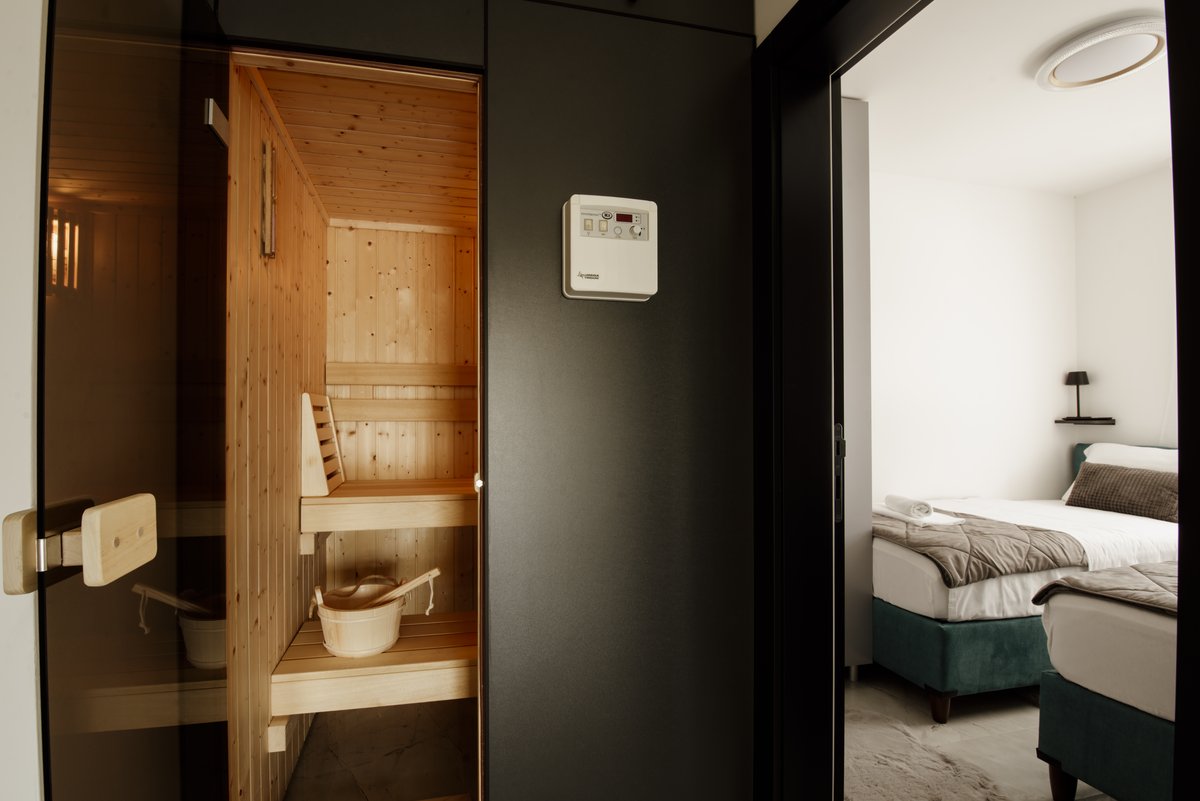
Traditional wooden sauna interior: an ancient sanctuary for heat immersion, cellular rejuvenation, and thermal hormesis.
Throughout human history, traditional cultures have revered thermal bathing as an essential sanctuary for physical purification and spiritual contemplation. From the Finnish savusauna and Native American sweat lodges to Himalayan hot springs, intense heat has long been recognized as a sacred gateway to bodily renewal.
Today, contemporary molecular biology and longevity medicine are illuminating the exact cellular mechanisms behind this ancient wisdom. At the heart of thermal therapy lies a remarkable family of heat resistant molecular guardians known as Heat Shock Proteins (HSPs). When examined through the holistic philosophy of OmOrenda, the biological activation of these proteins reveals a profound truth: deliberate, gentle challenge awakens latent resilience, providing a living blueprint for both human vitality and planetary flourishing.
1. What Are Heat Shock Proteins?
Heat Shock Proteins are an evolutionary family of specialized molecular chaperones present in nearly all living cells, from single celled bacteria to human neurons. Inside every cell, thousands of delicate proteins fold into intricate three dimensional shapes to carry out enzymatic reactions, build cellular scaffolding, and transmit neurochemical signals.
When exposed to stressors such as elevated temperatures, vigorous physical exercise, oxidative stress, or metabolic inflammation, these fragile protein chains begin to unfold (denature) and tangle. Left unchecked, damaged proteins form insoluble toxic clumps that trigger cellular dysfunction and premature aging.
HSPs function as the cell’s internal restoration crew:
- Refolding Damaged Proteins: Molecular chaperones bind to exposed hydrophobic regions of unfolding proteins, guiding them back into their functional, native three dimensional architecture.
- Targeting Toxic Debris for Recycling: If a protein has suffered damage beyond repair, HSPs guide it to the ubiquitin proteasome pathway or autophagic lysosomes, breaking it down into clean amino acids before it aggregates into toxic plaques.
- Inhibiting Programmed Cell Death: HSPs directly suppress the biochemical cascades that trigger cellular apoptosis, protecting vital cardiovascular and neurological tissues from premature death.
2. The Core Biological Benefits of Heat Shock Proteins
The primary heat responsive chaperones, most notably HSP70, HSP90, and HSP27, deliver systemic protective benefits across human physiology:
- Neuroprotection and Proteostasis: Preventing protein misfolding is the body’s chief defense against age related neurodegenerative decline. By dissolving early protein tangles, HSPs help preserve synaptic clarity and cognitive vitality.
- Vascular and Endothelial Health: Chaperones such as HSP90 and HSP27 directly associate with endothelial nitric oxide synthase (eNOS), safeguarding its structural stability. This sustains healthy vascular dilation, reduces arterial stiffness, and promotes smooth microvascular blood flow.
- Sharpening Immune Surveillance: While HSPs work primarily inside cells, released extracellular HSPs act as alarm signals that activate natural killer (NK) cells and patrolling macrophages, enhancing systemic defense against pathogens and abnormal cells.
- Preserving Muscular Architecture: HSPs shield muscle structural proteins from catabolic breakdown during physical exertion or periods of inactivity, accelerating tissue repair and remodeling.
3. Thermal Hormesis: How Sauna Bathing Builds Cellular Armor
One of the most effective non pharmacological triggers for Heat Shock Protein expression is deliberate passive heat therapy via traditional dry saunas or infrared cabins.
This process operates on the principle of hormesis: the biological phenomenon where a transient, controlled environmental challenge stimulates profound compensatory adaptations that leave the organism stronger than before. During a fifteen to thirty minute sauna session at standard temperatures (eighty to one hundred degrees Celsius), core body temperature elevates by approximately one to two degrees Celsius. This mild hyperthermia triggers heat shock transcription factor 1 (HSF 1), prompting cells to synthesize fresh waves of protective chaperones.
1. Deliberate Thermal Challenge
Passive heat immersion elevates core body temperature by 1 to 2 degrees Celsius, activating heat shock transcription factor HSF 1.
2. Molecular Chaperone Synthesis
Rapid upregulation of HSP70, HSP90, and HSP27 to refold denatured proteins, clear aggregates, and protect endothelial nitric oxide.
3. Systemic Salutogenic Vitality
Arterial compliance improves, neurodegenerative risk drops, and inner calm deepens, mirroring ecological resilience.
4. Landmark Peer Reviewed Studies on Heat Therapy
Extensive clinical and physiological literature validates the profound impact of heat exposure on cellular protection, vascular elasticity, and long term healthspan:
- Cardiovascular Longevity and Healthspan: In landmark clinical investigations led by Dr. Jari Laukkanen, regular sauna bathing was evaluated across long term cohort studies. Their research published in JAMA Internal Medicine and subsequent reviews in Experimental Gerontology demonstrated that men bathing in saunas four to seven times weekly experienced dramatic reductions in fatal cardiovascular events and all cause mortality compared to once weekly bathers. The researchers emphasized thermal hormesis and the upregulation of HSP70, HSP27, and antioxidant pathways (such as Nrf2) as primary biological drivers.
- Dementia and Neurodegenerative Risk Reduction: In a prospective study published in Age and Ageing, Laukkanen and colleagues observed that men using the sauna four to seven times weekly had a sixty six percent lower risk of developing dementia and a sixty five percent lower risk of Alzheimer’s disease compared to those using it once weekly. Enhanced cerebral perfusion and chaperone mediated clearance of misfolded proteins provide compelling mechanistic explanations.
- Vascular Elasticity and Nitric Oxide Production: Research conducted by Vienna Brunt and colleagues, published in The Journal of Physiology, demonstrated that eight weeks of regular passive heat therapy significantly improved flow mediated dilation, reduced arterial stiffness, and lowered resting blood pressure in human subjects by elevating vascular nitric oxide bioavailability and protective chaperone activity.
- Skeletal Muscle Protection and Remodeling: In research published by Chad Touchberry and collaborators in Cell Stress and Chaperones, acute whole body heat stress prior to mechanical muscle strain significantly elevated HSP72 and HSP25 expression, mitigating tissue damage markers and accelerating structural muscle regeneration.
- Direct Leukocyte Gene Expression: Clinical trials evaluating Finnish sauna bathing in athletes and non athletes, published in the Annals of Agricultural and Environmental Medicine, revealed rapid, distinct upregulation of HSPA1A (HSP70) and HSPB1 (HSP27) mRNA expression in circulating leukocytes following standard sessions.
5. The OmOrenda Perspective: Cellular Renewal as Planetary Flourishing
The biological mechanisms of Heat Shock Proteins offer a moving parallel to the foundational tenets of OmOrenda:
The Stillness of Om in the Heat
Stepping into a heated sanctuary is an invitation to release cognitive chatter and surrender to present somatic sensation. In the contemplative stillness of Om, the body does not resist the warmth; it relaxes into it. Just as the parasympathetic nervous system downregulates stress hormones during quiet breathing, our cellular machinery quietly goes to work, untangling the internal friction accumulated from daily life.
The Life Force of Orenda (Active Repair)
Orenda represents the vital spiritual agency that flows through all beings, enabling active healing and mutual uplift. Heat Shock Proteins embody Orenda at the microscopic scale. They do not merely survive heat; they actively transform physical stress into restorative renewal, protecting the sanctity of the cell for future functioning. In Indigenous Clan Mother traditions, true health is regenerative and shared across generations.
Microcosm and Macrocosm: Salutogenic Planetary Care
When we recognize that our personal cells possess an innate, intelligent repair system that refolds chaos into harmony, our ecological relationship shifts. Just as human cells require thoughtful temperature cycles, clean water, and pure air to maintain proteostasis, our living planet requires ethical human stewardship to heal its climate and living soils. By designing salutogenic living spaces, timber architecture, and natural thermal sanctuaries, we honor the reciprocal bond between human vitality and planetary thriving.
In every bead of perspiration and every quiet breath inside the sauna, we touch the ancient fire of life: renewing ourselves so that we may better serve the flourishing of our collective world.
Peer Reviewed References
- Laukkanen, T., Khan, H., Zaccardi, F., and Laukkanen, J. A. (2015). Association between sauna bathing and fatal cardiovascular and all cause mortality events. JAMA Internal Medicine, 175(4), 542 to 548.
- Laukkanen, T., Kunutsor, S., Kauhanen, J., and Laukkanen, J. A. (2017). Sauna bathing is inversely associated with dementia and Alzheimer’s disease in middle aged Finnish men. Age and Ageing, 46(2), 245 to 249.
- Laukkanen, J. A., Laukkanen, T., and Kunutsor, S. K. (2018). Cardiovascular and other health benefits of sauna bathing: A review of the evidence. Mayo Clinic Proceedings, 93(8), 1111 to 1121.
- Brunt, V. E., Howard, M. J., Francisco, M. A., Ely, B. R., and Minson, C. T. (2016). Passive heat therapy improves endothelial function, arterial stiffness and blood pressure in sedentary humans. The Journal of Physiology, 594(18), 5329 to 5342.
- Touchberry, C. D., Gupte, A. A., Bomhoff, G. L., Graham, Z. A., Geiger, P. C., and Gallagher, P. M. (2012). Acute heat stress prior to downhill running may enhance skeletal muscle remodeling. Cell Stress and Chaperones, 17(6), 693 to 705.
- Kowacz, A., et al. (2017). Effects of sauna bathing on stress related genes expression in athletes and non athletes. Annals of Agricultural and Environmental Medicine, 24(2), 343 to 347.