
A recent NBC4 Washington (News4) segment featuring anchor Erika Gonzalez highlights how physical bedroom paint colors affect sleep, pointing to a broader discussion on sleep hygiene.
When a segment like this airs locally, local news stations frequently bring in regional experts like Dr. Keisha Sullivan (who practices right down the road at Kaiser Permanente Largo Medical Center) to provide professional commentary on the data.
How Paint Color Impacts Sleep
Our eyes have specialized receptors called ganglion cells in the retinas. These cells are highly sensitive to colors and light, sending signals directly to the part of the brain that controls our 24-hour circadian rhythm.
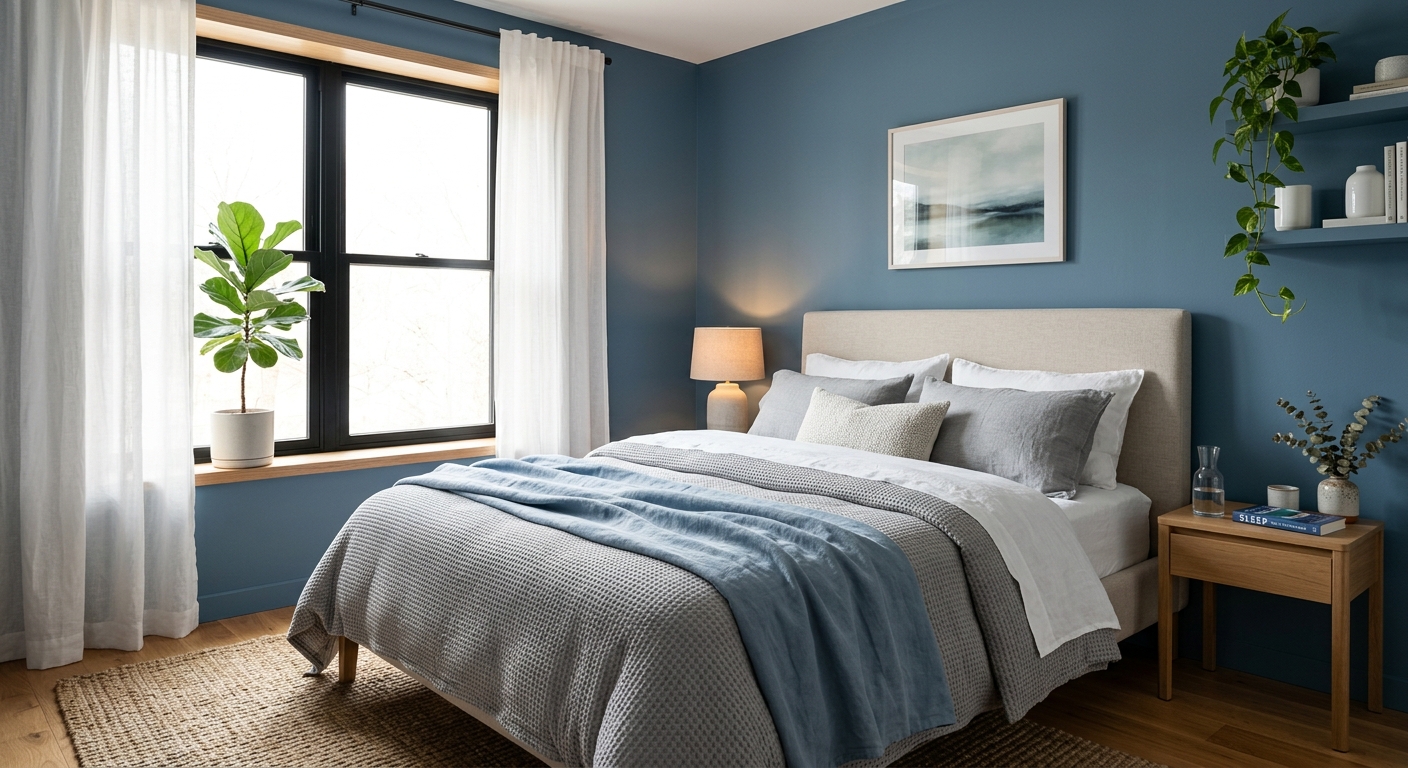
- The Best Color (Blue): Studies show that people sleeping in blue rooms get the most rest (averaging nearly 8 hours). The brain associates blue with calm, which physically slows the heart rate and reduces blood pressure.
- Other Good Choices (Muted Yellow & Green): Soft greens and warm, light yellows relax the nervous system and put the body into a peaceful state.
- The Worst Colors (Purple, Red, & Dark Brown):
- Purple stimulates the brain’s creativity and keeps it highly active, cutting sleep short.
- Red triggers a subtle fight-or-flight response, increasing alertness.
- Dark brown or dark gray can create a somber, gloomy environment that increases nighttime anxiety.
- The Finish Matters: Glossy paint reflects light from windows or streetlamps, stimulating the brain. A flat or matte finish absorbs light and is much better for sleep quality.
Dr. Sullivan’s Clinical Advice
While Dr. Sullivan did not run the study on paint colors, she is the local authority patients and regional media turn to for translating these findings into real life. Her overarching clinical advice for an optimized bedroom environment aligns perfectly with the segment:
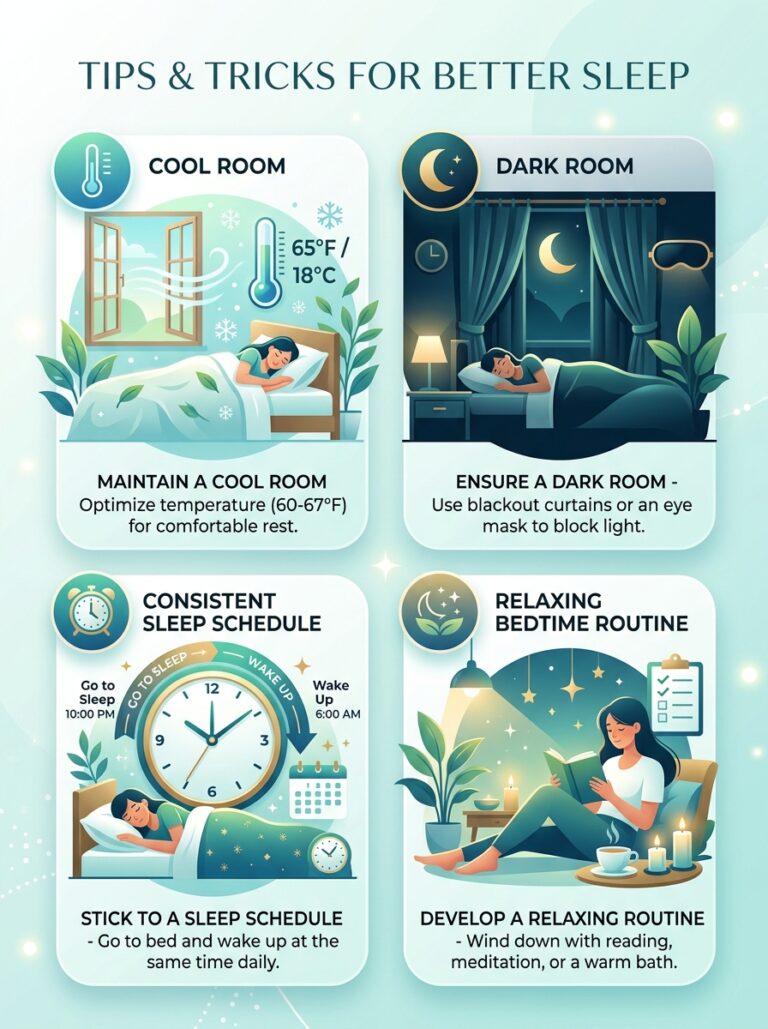
- Control the environment: If changing your wall color isn’t an option, use blackout curtains to completely block light.
- Cool the room: Keep the bedroom temperature around 65°F to signal to your brain that it is time for deep sleep.
- Quiet the mind: Pair a calm bedroom environment with a consistent sleep schedule and audio tools (like pink or brown noise) to keep your brain from waking up during the night.
Source: NBC4 Washington (News4)